Understanding Lip Anatomy for Shape Enhancement
Upper lip: thin vermilion border, lower lip: softly fuller, more mobile․ The lip junction forms Cupid’s bow, a key aesthetic landmark; Blood vessels and sensory nerves run along the vermilion, influencing filler placement and safety․
The anatomy guides filler strategyensuring contours smooth․
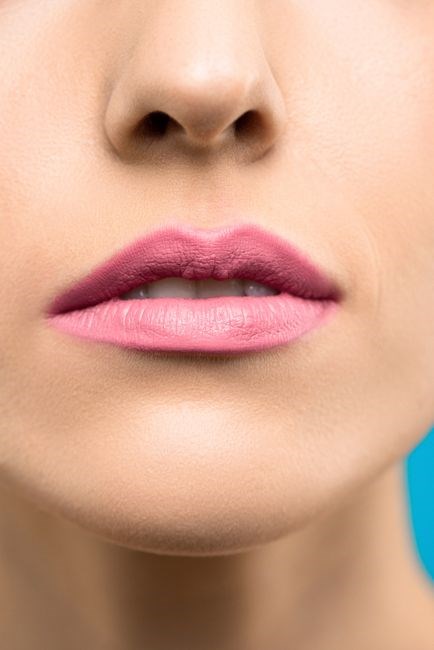
Upper Lip Structure
The upper lip is a delicate, multilayered structure that plays a pivotal role in facial expression and aesthetic balance․ Its outermost layer, the vermilion border, is a thin, highly vascular strip that defines the lip’s edge, providing a canvas for volume enhancement․ Beneath this, the mucosal lining is smooth and richly supplied with capillaries, allowing for subtle color changes when volume is added․ The muscular foundation is primarily the orbicularis oris, a circular muscle that encircles the mouth and provides the upper lip with its ability to purse, smile, and articulate speech․ This muscle’s fibers run in a clockwise direction, creating a natural curvature that is accentuated by the Cupid’s bow․ The upper lip’s thickness varies from the central philtrum to the lateral corners; the philtrum is typically the thinnest, while the corners are slightly thicker to accommodate the dynamic movement of the orbicularis oris․ Vascularly, the upper lip receives blood from the superior labial artery, a branch of the facial artery, ensuring a robust blood supply that must be respected during filler injection to avoid vascular compromise․ Nerve-wise, the upper lip is innervated by the mental nerve, a branch of the inferior alveolar nerve, which provides sensory feedback and must be considered to prevent numbness or paresthesia․ Understanding these layers and their interplay allows practitioners to strategically place fillers to enhance volume, contour the Cupid’s bow, and achieve a harmonious lip profile that complements the overall facial symmetry․
Lower Lip Structure
The lower lip is a robust, dynamic structure that provides a foundation for expression and aesthetic balance․ Its vermilion border is thicker than the upper lip, giving it a pronounced edge and natural fullness often sought after in filler treatments․ Beneath the vermilion lies a dense mucosal layer that is richly vascularized, ensuring a healthy blood supply from the inferior labial artery, a branch of the facial artery․ This vascular network is crucial for maintaining tissue viability and for the diffusion of filler materials․ The muscular architecture of the lower lip is dominated by the orbicularis oris, which encircles the mouth in a counterclockwise direction, creating a subtle, rounded contour․ Its fibers converge toward the philtrum, providing a natural transition between the upper and lower lips․ The lower lip also contains the depressor anguli oris and depressor labii inferioris, allowing for downward movement and shaping the corners of the mouth․ Nerve supply to the lower lip comes from the mental nerve, a terminal branch of the inferior alveolar nerve, providing sensory innervation that must be respected during filler placement to avoid numbness or dysesthesia․ Understanding the lower lip’s layered composition, vascular supply, and muscular dynamics enables precise filler placement that enhances volume, smooths the vermilion border, and achieves a harmonious lip profile that complements overall facial symmetry․ Clinicians tailor injection depth to anatomy adjust volume for natural symmetry!

Lip Junction and Cupid’s Bow
The lip junction, where the upper and lower lips meet, forms the iconic Cupid’s bow—a double‑curved silhouette that defines the upper lip’s apex and the lower lip’s base․ Anatomically, the junction is a dynamic zone composed of the vermilion border, the philtrum, and the underlying musculature of the orbicularis oris․ The vermilion edge is the most visible part, and its thickness and symmetry directly influence the perceived shape of the Cupid’s bow․ The philtrum, a vertical groove extending from the base of the nose to the midline of the lower lip, anchors the central point of the bow․ Beneath these superficial layers, the labial frenulum and the depressor labii inferioris muscle create subtle depressions that can accentuate or flatten the curve․ In filler procedures, precise placement along the junction is critical: a small volume of hyaluronic acid injected just above the vermilion border can lift the apex, enhancing the peak of the Cupid’s bow, while a more superficial injection along the philtrum can deepen the central groove, adding definition․ Clinicians must also respect the vascular network—particularly the superior labial artery—by avoiding high‑pressure injections that could compromise blood flow․ Properly sculpting the junction not only improves lip symmetry but also harmonizes with adjacent facial features such as the nasolabial folds and the corners of the mouth․ The goal is a natural, balanced Cupid’s bow that complements the patient’s unique facial proportions and aesthetic goals․
The technique requires a gentle, layered approach, starting with a small bolus at the apex, followed by a linear threading along the lower lip’s base to balance volume․ A subtle correction of the lower lip’s curvature can be achieved by a slight overfill in the midline, then tapering off toward the corners․ This method ensures a seamless transition between the upper and lower lips, preventing a “popped” look and maintaining natural movement during speech and expression․
Vascular and Nerve Considerations
Vascular and nerve safety are critical when adding volume to the lips․ The superior and inferior labial arteries run along the lip margins; deep or high‑pressure injections can bruise or cause ischemia․ Practitioners use a superficial, linear threading technique, placing small aliquots of hyaluronic acid just beneath the mucosa to stay within the subcutaneous plane and protect the vessels․ Nerve safety is equally important․ The mental nerve exits the mental foramen and supplies the lower lip, while the infraorbital nerve supplies the upper lip․ A misdirected injection can compress these nerves, producing temporary paresthesia or permanent numbness․ To avoid injury, clinicians rely on anatomical landmarks and, when available, ultrasound guidance․ The angular artery near the lip corners also requires caution; inadvertent intravascular injection can travel to the retina․ Aspirating before injection and using a filler with lower crosslinking density allows easier reversal if needed․ Post‑procedure, patients should avoid excessive lip manipulation, heat, and alcohol for 24–48 hours to reduce bruising and nerve irritation․ Continuous education and adherence to updated safety protocols remain essential for practitioners navigating the complex vascular and neural anatomy of the lips․
In practice, fillers with a lower crosslinking density are preferred for the lips, as they integrate easily and can be reversed with hyaluronidase if complications arise․ After injection, clinicians monitor the patient for immediate changes in sensation or discoloration, and advise lip massage only after 24 hours to promote distribution․ For optimal results!
Identifying Your Natural Lip Shape
Discovering your natural lip shape involves observing the vermilion border, fullness, and symmetry․ Look for the Cupid’s bow curvature, upper‑lower ratio, and any asymmetry․ This baseline guides filler choice, ensuring a harmonious, personalized enhancement․ and consult a professional for tailored results․ Today!
Type 1: Flat Lips
Flat lips are defined by a minimal vermilion border and a lack of natural fullness․ The upper and lower lips appear almost level, with a shallow Cupid’s bow and a narrow philtrum․ This shape often results in a less expressive mouth and can make the face appear older or less dynamic․ For individuals with flat lips, the primary goal of a filler treatment is to create the illusion of volume and definition without over‑inflating the area․ A common approach is to use a low‑to‑medium viscosity hyaluronic acid filler, injected strategically along the midline of the upper lip to lift the central portion and along the lower lip to add subtle fullness․ The technique focuses on a gentle, layered fill that mimics a natural plumpness, often referred to as the “lip lift” effect․ By carefully sculpting the corners and the central line, the filler can enhance the Cupid’s bow, giving the lips a more symmetrical and rounded appearance․ Patients with flat lips may also benefit from a small amount of filler in the philtrum to accentuate the central line, creating a subtle bridge between the upper and lower lips․ The expected outcome is a more youthful, expressive look with a balanced upper‑lower ratio․ It is essential to avoid excessive volume, as this can lead to a “puffy” or unnatural look․ A skilled practitioner will assess the patient’s facial dynamics, skin thickness, and natural lip movement to tailor the filler placement, ensuring a harmonious result that complements the overall facial structure․ Regular touch‑ups every six to twelve months maintain the desired shape and volume, allowing the patient to enjoy a refreshed appearance with minimal downtime․ After the procedure, patients typically experience mild swelling and bruising that resolves within 48 to 72 hours․ Proper hydration and avoiding alcohol for 24 hours help reduce swelling․ Patients should also avoid excessive sun exposure and use a gentle lip balm to keep the area moisturized․ While hyaluronic acid fillers are reversible with hyaluronidase, it is important to choose a reputable clinic to minimize complications such as vascular occlusion or granuloma formation․ The longevity of the results depends on the type of filler used and individual metabolism, but most patients report satisfaction for up to a year before a touch‑up is recommended․ By setting realistic expectations and following post‑procedure care instructions, individuals with flat lips can achieve a natural, enhanced look that feels authentic and comfortable․ Consult consultation with a board‑certified specialist ensures the chosen filler type and volume align with your unique anatomy․

Type 2: Full Lips
Full lips are characterized by a prominent vermilion border, a well‑defined Cupid’s bow, and a generous amount of natural volume in both the upper and lower lips․ The lips often have a rounded shape that gives a youthful, sensual appearance․ Patients with full lips seek to maintain natural fullness while ensuring proportionality to the face and․ The primary goal of a filler treatment for full lips is to preserve the natural contour and to subtly refine the shape without creating a “puffy” or over‑filled look․ A low‑viscosity hyaluronic acid filler is usually preferred for its ability to blend seamlessly with the surrounding tissue, providing a natural, skin‑like texture․ The injection technique focuses on a gentle, layered approach that respects the existing volume․ Small amounts of filler are placed along the midline of the upper lip to accentuate the Cupid’s bow, while the lower lip receives a subtle lift at the corners to enhance the overall shape․ The practitioner may also use a small amount of filler in the philtrum to create a subtle bridge between the upper and lower lips, giving the lips a more balanced appearance․ The expected result is a refined, natural look that accentuates the natural fullness of the lips․ It is essential to avoid excessive injection, as this can lead to a “puffy” or unnatural appearance․ Patients should also be advised to avoid alcohol and excessive sun exposure for 24 hours post‑procedure to reduce swelling and bruising․ Regular follow‑ups every six to twelve months help maintain the desired shape and volume․ The longevity of the results depends on the type of filler used and individual metabolism, but most patients report satisfaction for up to a year before a touch‑up is recommended․ Proper after‑care, including gentle cleansing and moisturizing, helps preserve the results and ensures a smooth recovery․ By setting realistic expectations and following post‑procedure care instructions, individuals with full lips can achieve a natural, enhanced look that feels authentic and comfortable․ Consultation with a board‑certified specialist ensures the chosen filler type and volume align with your unique anatomy․
Type 3: Thin Lips
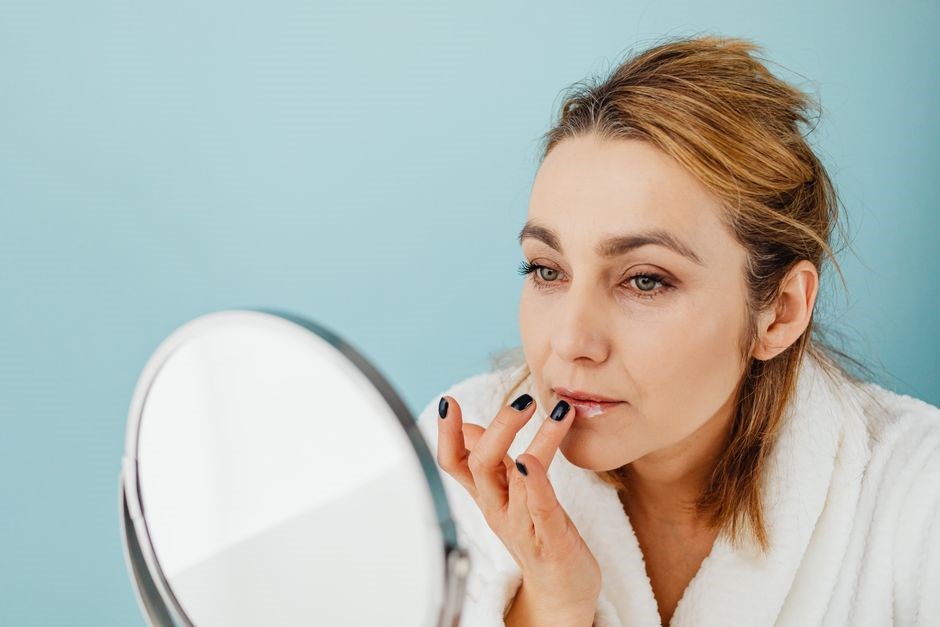
Thin lips present a delicate vermilion border with minimal natural volume, often giving a refined, subtle appearance․ Patients with thin lips typically desire a gentle lift and definition that enhances the Cupid’s bow without creating an overly plumped look․ The ideal filler approach for thin lips involves a low‑volume, high‑viscosity hyaluronic acid that provides structural support while preserving the natural translucency of the lips․ The injection technique focuses on a precise, layered strategy: small amounts of filler are placed along the midline of the upper lip to accentuate the Cupid’s bow, while a subtle lift is applied at the vermilion border to create a gentle fullness․ The lower lip receives a minimal amount of filler at the corners to balance the overall shape and to prevent a “puffy” appearance․ It is essential to avoid over‑filling, as thin lips are more prone to a distorted or unnatural look․ Post‑procedure care includes gentle cleansing, avoiding heat, and applying a cold compress to reduce swelling․ Follow‑up appointments every 6–12 months help maintain the desired shape, as the filler’s longevity typically ranges from 6 to 12 months․ Patients should be advised to keep the lips hydrated and to use a light, non‑irritating lip balm to support the results․ A thorough consultation with a board‑certified practitioner ensures the chosen filler type and volume are tailored to the patient’s unique anatomy, resulting in a natural, subtle enhancement that complements the overall facial harmony․ Patients can touch‑ups․ Soon
Type 4: Asymmetric Lips
Asymmetry in the lips can arise from natural variation, trauma, or aging․ The most common patterns include a higher upper lip corner, a lower lip that is more pronounced on one side, or a discrepancy in the width of the Cupid’s bow․ The goal is to identify the specific asymmetry and determine whether the imbalance is due to volume loss, structural deviation, or a combination of both․
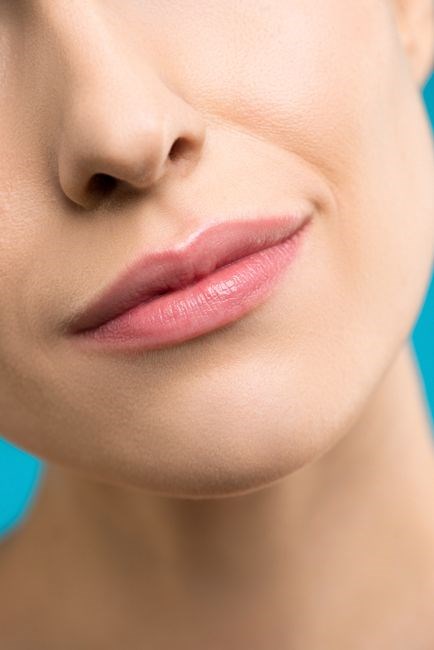
Filler treatment for asymmetric lips requires a customized, step‑by‑step approach․ First, the practitioner injects a small amount of high‑viscosity hyaluronic acid into the area that needs volume, typically the lower lip corner or the midline of the upper lip․ This creates a subtle lift and balances the contour․ Next, a fine‑needle technique is used to smooth the transition between the corrected side and the unaffected side, ensuring a seamless blend․ The filler is then refined with micro‑injections along the vermilion border to reinforce symmetry without over‑plumping․ Throughout the procedure, real‑time feedback from the patient’s facial expressions helps the injector adjust the placement and amount of filler․
Post‑procedure care focuses on minimizing swelling and maintaining the new shape․ Patients are advised to avoid strenuous activity for 24 hours, apply a cold compress, and use a gentle, non‑irritating lip balm․ Follow‑up visits at 4 to 6 weeks allow the practitioner to assess the final symmetry and make any necessary touch‑ups․ With careful planning, the patient can achieve a balanced, natural‑looking lip that enhances overall facial harmony․ Patients should monitor swelling report concerns promptly

Designing the Ideal Filler Shape
The ideal filler shape balances volume and definition․ Start with a subtle lift at the cupid’s bow, then contour the lower lip for fullness․ Use a fine‑needle technique to blend edges, ensuring symmetry and natural movement․ Adjust for facial features․ Add glow․
Contouring for Volume
When sculpting lips, volume is achieved through strategic layering of hyaluronic acid․ Begin at the cupid’s bow, depositing a small amount to lift the apex, then spread laterally along the vermilion border․ The lower lip receives a gentle, diffuse fill that follows the natural curvature, avoiding a “pillow” effect․ Fine‑needle injections allow precise placement, ensuring the filler sits just beneath the mucosa and not in the dermis, which can cause lumps․ A subtle “halo” of filler around the lip edges softens the transition to the surrounding skin, creating a seamless, natural look․ Adjusting the viscosity of the filler—using a more gel‑like consistency for the upper lip and a softer, more fluid formulation for the lower—helps maintain definition while preserving a supple feel․ The practitioner may also use a small amount of filler at the philtrum to subtly enhance the central line, ensuring the upper lip remains balanced․ By layering in a stepwise fashion—starting with a thin base layer and building up in increments—any excess can be corrected on the spot, providing a tailored result that respects the patient’s natural expression․ If the patient desires a slightly more pronounced fullness, a small amount of filler can be added to the midline of the lower lip, but care must be taken to avoid a bulging appearance․ A massage smooths the tissue, and a product locks the shape preventing migration a ensuring longevity․ Finally, a gentle tug on the corners confirms symmetry, and a visual assessment in different lighting guarantees the contour holds․
Balancing Upper and Lower Lids
Achieving harmony between the upper and lower lips hinges on subtle volume adjustments and precise placement․ Begin by assessing the patient’s natural lip height: the upper lip should be roughly 30–35% of the lower lip’s length․ Use a fine needle to deposit a thin layer of filler at the cupid’s bow, then glide laterally along the vermilion border, creating a gentle slope that mirrors the natural curvature․ The lower lip receives a slightly thicker, softer fill that follows the philtrum’s midline, ensuring the base remains flat and not overly rounded․ A key technique is the “soft‑edge” approach: the filler should taper off at the corners to avoid a boxed appearance․ After each injection, massage the area to distribute the product evenly and check for symmetry․ If the lower lip appears disproportionately full, a small amount of filler can be removed or redistributed to the upper lip’s outer edges․ Conversely, if the upper lip feels flat, a subtle lift at the midline can be added․ The goal is a balanced, natural look where the upper lip frames the lower without overpowering it․ Finally, evaluate the lips in various expressions—smile, neutral, and relaxed to confirm that the added volume maintains proportion across dynamic states․ By fine‑tuning the filler’s depth—placing it slightly deeper in the lower lip and more superficial in the upper—clinicians can achieve a subtle lift that mimics natural aging cues while preserving a youthful contour․ Regular follow‑ups allow adjustments based on patient feedback and healing response, ensuring long‑lasting, harmonious results․ This care technique leaves clients with last confidence․
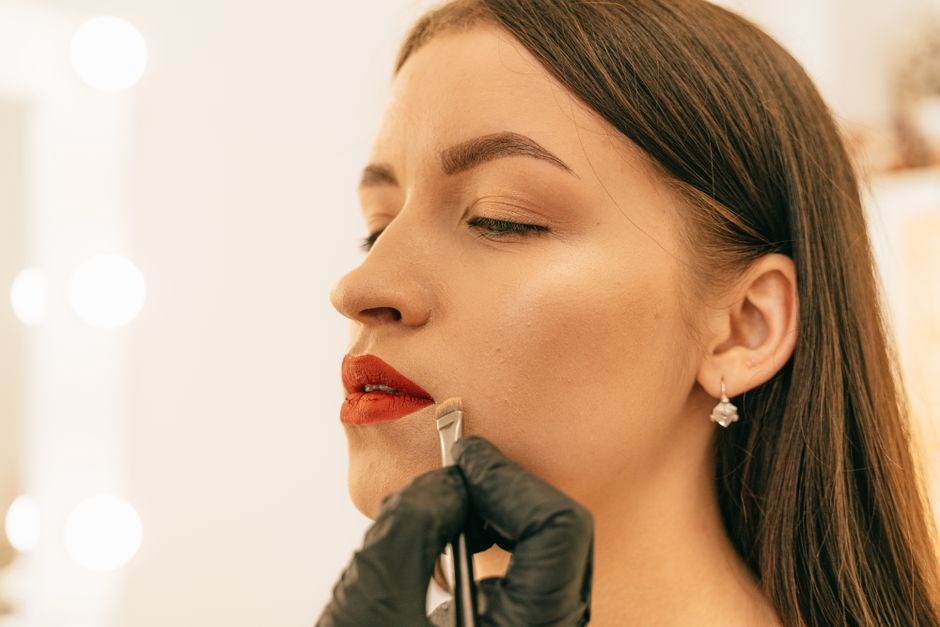
Creating a Symmetrical Cupid’s Bow

Symmetry starts with a precise assessment of the vermilion border․ Measure the distance from the mid‑line to each corner; the ideal ratio is 1:1․ Use a fine needle to deposit a small amount of hyaluronic filler at the apex of the cupid’s bow, then glide upward along the upper lip’s natural curve․ The filler should be placed just beneath the mucosa to preserve a natural shine․ After the apex is set, fill the lateral segments with a lighter touch, ensuring the transition is smooth․ A common mistake is over‑filling the corners, which flattens the bow; instead, maintain a gentle slope that mirrors the patient’s natural philtrum․ Check symmetry in multiple expressions—neutral, smile, and relaxed—to confirm the bow’s consistency․ If asymmetry persists, adjust by adding a millimeter of filler on the weaker side or removing excess from the stronger side․ The final touch is a subtle contour along the upper lip’s base, creating a clean line that frames the lower lip without creating a “boxy” look․ This technique, grounded in anatomical precision, delivers a natural, symmetrical cupid’s bow that enhances overall lip harmony while respecting individual facial dynamics․
A final touch involves a fine line of filler along the upper lip’s base, just above the vermilion border, to accentuate the cupid’s bow’s apex․ This line should be thin and blended seamlessly with surrounding tissue․ A small amount of filler may also be injected into the philtrum’s midline to lift the central upper lip, creating a gentle arch that mirrors the lower lip’s contour—and for lasting?
Adjusting for Facial Features
When tailoring lip filler to a client’s unique facial architecture, the practitioner must first map the interplay between the lips and surrounding landmarks․ The nasal tip, for instance, dictates whether a subtle lift or a pronounced projection is needed; a high‑bridged nose often pairs best with a slightly elevated upper lip to maintain proportional harmony․ Cheekbone prominence influences the perceived fullness of the lower lip; high cheekbones can mask a thin lower vermilion, so a modest volume addition may be sufficient, whereas a flat mid‑face may require a more pronounced plumping to create depth․
Jawline shape also plays a pivotal role․ A square jaw benefits from a slightly rounded lower lip contour to soften angularity, while a rounded jaw may be accentuated by a more structured, defined lower lip that echoes the gentle curve․ Eye shape and eyelid type affect the overall balance; large, hooded eyes can be complemented by a lower lip that has a subtle, natural lift, preventing the face from appearing too wide․ Conversely, narrow eyes may look more balanced with a fuller lower lip that adds width․
Additional considerations include the philtrum’s length and the presence of a natural “lip line․” A long philtrum often requires a more pronounced cupid’s bow to avoid a stretched appearance, whereas a short philtrum may benefit from a softer, more rounded upper lip․ The practitioner should also evaluate the patient’s habitual expressions—smile, frown, neutral—to ensure the filler remains consistent across dynamic states․ By integrating these facial cues, the filler placement achieves a bespoke aesthetic that accentuates the individual’s best features while preserving natural movement․
Skin thickness and elasticity also influence filler strategy․ Thicker skin may mask filler volume, necessitating a higher concentration of hyaluronic acid to achieve the desired lift․ In contrast, thinner skin allows for a more subtle approach, as even small amounts of filler are visibly perceptible․ Aging changes, such as loss of subcutaneous fat and decreased collagen, often require a dual‑layer technique: a base layer of medium‑strength filler to restore volume, followed by a fine‑tuned top layer to refine the lip line․ This layered approach ensures longevity and a natural finish, especially in patients with pronounced perioral creases․
Finally, cultural and personal preferences must be respected․ Some clients desire a “Hollywood” pout, while others prefer a subtle enhancement․ By combining anatomical assessment with patient goals, the filler can be sculpted to deliver a harmonious, individualized result that feels authentic and comfortable․ All adjustments are performed with a gentle touch․