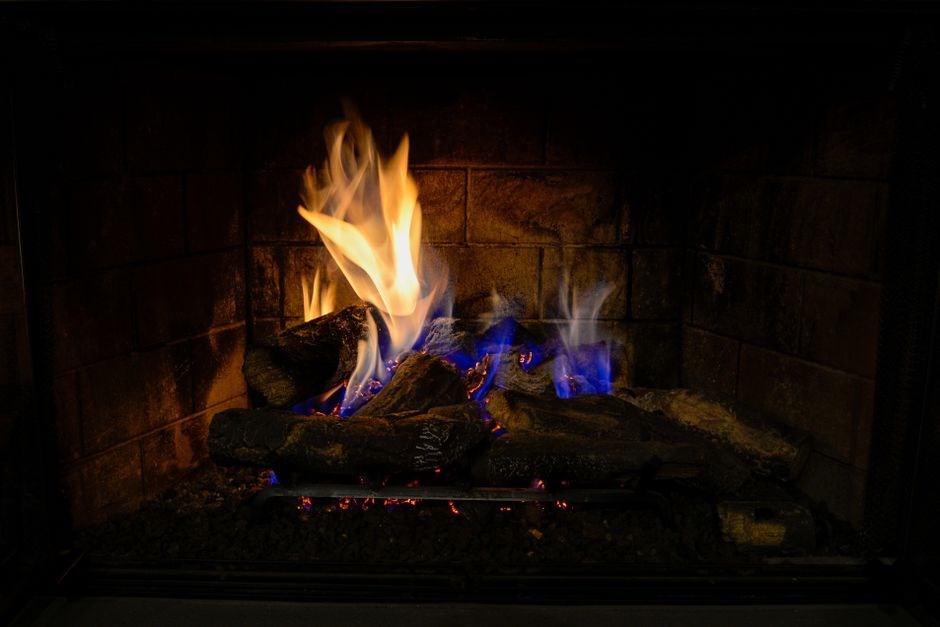
Napoleon Fireplace Remote System Overview

The system uses a battery‑powered transmitter and receiver box. The receiver’s 3‑position slider (OFF, REMOTE, ON) controls power. Radio‑frequency signals must stay within 5 m (≈17 ft) for reliable operation, and low batteries reduce range. The receiver must be inside the cavity, slider REMOTE replace batteries 1.2 V.
Remote Control Components and Functions
The Napoleon fireplace remote system comprises a handheld transmitter and a dedicated receiver box mounted inside the fireplace cavity. The transmitter is powered by four AA batteries (1.2 V each) and emits a low‑frequency radio signal that the receiver decodes to control the gas valve and ignition circuitry. The receiver box contains a 3‑position slider switch: OFF, REMOTE, and ON. When the slider is set to REMOTE, the receiver listens for the transmitter’s signal; setting it to ON bypasses the remote and applies power directly to the gas valve, while OFF disconnects power entirely. The remote offers several programmable buttons: a power toggle, a flame‑height selector, a temperature control, and a safety shut‑off. Each button sends a unique code to the receiver, which then adjusts the gas flow or igniter accordingly. The system is designed for a maximum operating range of 5 m (≈17 ft); distances beyond this limit or low battery voltage can cause intermittent response. Proper battery installation and regular checks are essential to maintain reliable operation. The receiver’s internal firmware automatically detects low‑power conditions and will refuse to activate until battery levels are restored. By keeping the remote within the specified range and ensuring the slider is correctly positioned, users can safely and conveniently manage their Napoleon fireplace’s performance. Users should also confirm the receiver also as updates can enhance signal reliability and add features.
Receiver Box Operation and Slider Switch Positions
The receiver box is the core of the Napoleon fireplace remote system, positioned inside the fireplace cavity. It receives the radio‑frequency signal from the handheld transmitter and translates it into commands for the gas valve igniter. The box contains a 3‑position slider switch: OFF disconnects power, REMOTE allows the receiver to listen for the transmitter’s signal, and ON bypasses the remote supplies power to the fireplace. When the slider is set to REMOTE, the receiver’s microcontroller activates its RF module, scans for the carrier frequency, and upon detecting a valid signal decodes the button code to trigger the appropriate relay. If the slider is moved to ON, the receiver bypasses the RF module and applies a constant 24 V DC supply to the gas valve, enabling operation without the remote. The OFF position cuts the 24 V supply, ensuring the fireplace remains inactive. The slider must be firmly seated; a misaligned slider can cause the receiver to miss signals or fail to power the fireplace. Users should verify the slider’s position after installation and whenever the fireplace does not respond to remote commands. The receiver also contains a low‑battery indicator that alerts the user when the remote’s batteries are low, replacement to maintain signal strength range. The OFF position is marked with a red indicator, REMOTE with blue, and ON with green. The system’s operating range is limited to 5 m (≈17 ft) to ensure reliable signal transmission.
Operating Range and RF Signal Considerations
The Napoleon fireplace remote system operates on a low‑power radio‑frequency (RF) link that must remain within a specified distance for reliable performance. The manufacturer recommends a maximum separation of 5 meters (approximately 17 feet) between the handheld transmitter and the receiver box. This range is based on typical indoor environments and accounts for obstructions such as walls, metal framing, and the fireplace’s own cavity. If the receiver is positioned too far or behind thick barriers, the RF signal can be attenuated, causing intermittent or failed responses.
Signal strength is also influenced by battery condition in both the transmitter and receiver. Low voltage reduces the transmitter’s output power, effectively shrinking the operational radius. The remote’s indicator lights or a low‑battery icon on the receiver alert users to replace the 1.2 V AA cells before range issues arise. Additionally, the receiver’s internal RF module has a sensitivity threshold; when the signal falls below this threshold, the receiver will not decode the command, even if the slider is set to REMOTE.
Environmental factors such as metal appliances, high‑frequency devices, and electromagnetic interference can further degrade the RF link. To mitigate these effects, place the receiver as close to the fireplace’s central cavity as possible, and avoid routing power cables directly adjacent to the receiver’s antenna path. If the remote fails to respond, first check the distance, then confirm battery levels, and finally inspect for any physical obstructions or interference sources. Maintaining the recommended 5‑meter range and ensuring healthy battery voltage will keep the remote system functioning smoothly and reliably.

Installation and Setup Procedures

Mount the receiver inside the fireplace cavity, ensuring the 3‑position slider is set to REMOTE. Wire the power leads to the fireplace’s control board, then insert four AA batteries into the receiver’s holder, observing correct polarity; Verify all connections before powering on. Secure mounting required.
Mounting and Wiring the Receiver Box
Begin by locating the fireplace’s control panel inside the cavity. The receiver box, a small rectangular unit, should be positioned so that its antenna is unobstructed and the 3‑position slider is accessible. Secure the box to the cavity wall with the supplied mounting screws, ensuring a snug fit to prevent vibration. Next, connect the receiver’s power leads to the fireplace’s control board. The positive lead attaches to the designated +V terminal, while the negative lead connects to the ground or –V terminal. Use insulated wire and crimp connectors for a reliable connection. Verify polarity before finalizing the installation. Once wired, insert four fresh AA batteries into the receiver’s holder, respecting the marked polarity (+ and –). After battery insertion, set the slider to REMOTE to allow the transmitter to communicate. Finally, power on the fireplace and test the remote; the unit should respond within 5 m. If the remote fails, double‑check wiring, battery orientation, and slider position;
When securing the receiver, use a level to ensure it sits flush against the cavity wall; a misaligned unit can cause signal loss. The wiring harness should be routed through the fireplace’s existing conduit to avoid exposed cables. After connecting, test the receiver by toggling the slider to OFF, then ON, confirming the fireplace lights up. If the unit remains unresponsive, inspect the battery contacts for corrosion and clean with a cotton swab. Finally, label the battery compartment for future reference!
Battery Installation and Polarity
Insert four fresh AA batteries into the receiver’s battery holder, observing the polarity markings. The positive (+) side of each battery should align with the red (+) indicator on the holder, while the negative (–) side aligns with the black (–) indicator. Use a clean, dry cloth to wipe the battery contacts before insertion to ensure a solid electrical connection. After placing the batteries, close the cover and gently press until it clicks, confirming the batteries are seated properly. Verify polarity by checking the LED indicator on the receiver; a steady green light indicates correct alignment, whereas a flashing or absent light suggests reversed polarity or a dead battery. If the receiver does not power on, remove the batteries, flip one or more, and reinsert them. For long‑term reliability, replace batteries every 12–18 months or when the LED turns amber. Keep spare batteries in a cool, dry place and avoid exposing them to extreme temperatures or moisture. Always use standard alkaline AA batteries; rechargeable NiMH batteries are not recommended due to voltage differences that can damage the receiver. Finally, after battery installation, set the receiver’s slider to REMOTE to allow the transmitter to communicate. Test the remote by pressing the ON button; the fireplace should respond within the specified 5‑meter range. If it does not, re‑check battery orientation and ensure the slider is correctly positioned. Ensure batteries are fresh for optimal performance. Keep receiver dry.always.
Configuring the 3-Position Slider Switch
If stiff, gently tap or use a small screwdriver to release. Avoid forcing it beyond travel. After setting, press the remote’s ON button; the fireplace should ignite within seconds. If not, double‑check REMOTE position and green LED. Inspect the slider annually and clean with a dry cloth. Ensure proper alignment.

Before any work, turn off the gas valve and disconnect the appliance from the mains. Allow the unit to cool completely; hot surfaces can cause burns. Wear insulated gloves and safety glasses to protect against accidental contact with hot metal or glass. Verify that the receiver box is mounted securely within the fireplace cavity and does not obstruct airflow or venting. Use a non‑metallic screwdriver when handling the slider switch to avoid short circuits. Check that the batteries are installed with correct polarity; reversed polarity can damage the receiver and pose a fire risk. Keep the remote transmitter within 5 m (≈17 ft) of the fireplace to maintain signal integrity. If the receiver or remote shows signs of moisture or corrosion, contact an authorized dealer for inspection. After installation, test the system by turning the slider to REMOTE, pressing the remote’s ON button, and observing the fireplace’s response. If the unit does not ignite, double‑check the slider position, battery condition, and signal path. After installation, perform a safety check: confirm the gas valve is closed, the electrical supply is off, and the remote is functioning. Document the installation date and technician’s name for future reference. Adhering to these precautions ensures safe operation and extends the lifespan of your Napoleon fireplace system. Always keep the receiver box in a dry, well‑ventilated location to prevent moisture buildup. Avoid placing the receiver near heat sources that could cause overheating. When replacing batteries, use fresh, non‑corroded cells and observe proper polarity. Inspect the receiver’s contacts for corrosion and clean with a dry cloth if needed. Follow all safety guidelines!

Troubleshooting and Maintenance
Check battery, slider, signal. If fireplace off, verify slider on. Low battery reduces range. Ensure remote within 5 m. If still no response, service tech. Clean contacts, replace batteries, check gas valve. Follow manual for safety. Check for corrosion and replace damaged parts; if unresolved, call serv!

Fireplace Not Powering On – Common Causes
When a Napoleon fireplace fails to ignite after a remote command, the most frequent culprits are simple, check‑list items that can be resolved without a technician. First, confirm that the receiver’s 3‑position slider is set to the ON position; if it is in REMOTE or OFF the unit will ignore all RF signals. Next, inspect the 4‑cell battery pack in the receiver box. Even a single low cell can drop the overall voltage below the required 4.8 V, shortening the effective RF range and preventing the receiver from acknowledging the remote’s pulse. Replace all four AA cells with fresh, correctly polarized batteries and re‑test. If the slider is ON and the batteries are good, verify that the remote transmitter is within the 5‑meter (≈17‑foot) envelope recommended by Napoleon. Walls, metal frames, or the fireplace’s own cavity can attenuate the signal; move the remote closer or remove obstructions. A common oversight is that the receiver box must be installed inside the fireplace cavity, not on the exterior wall. If the box is mis‑positioned, the RF link will be severely degraded. Finally, check the gas valve and electrical connections. The manual specifies that the gas line must open and the electrical supply must be switched on before the remote can command the unit. If any of these safety switches are off, the fireplace will not power up. If none of these steps resolve the issue, the receiver may be defective or the remote’s transmitter may have failed; in that case, contact a qualified service technician for a diagnostic test and possible replacement of the receiver module or remote unit. Always follow the safety precautions in the installation manual before performing any checks.
Additionally, keep the receiver box dust free, as moisture can degrade signal quality. If the fireplace still does not respond, contact a technician for inspection replacement!
When the remote fails to activate the fireplace, the first diagnostic step is to verify the transmitter’s power supply. The Napoleon remote uses four 1.5 V AA cells; a single depleted cell can drop the total voltage below the required 6 V threshold, causing intermittent or no response. Remove the battery cover, check each cell for proper polarity, and replace any that show a voltage reading below 1.2 V. Reassemble and test the remote again. If the remote still does not work, confirm that the receiver’s 3‑position slider is in the REMOTE position; if it is OFF or ON, the transmitter’s signal will be ignored. Next, assess the RF link distance. The manual specifies a maximum effective range of 5 m (≈17 ft). Walls, metal framing, or the fireplace’s cavity can attenuate the signal; move the remote closer or remove obstructions. If the remote is within range and the receiver is correctly positioned, check for interference from other 2.4 GHz devices. Finally, inspect the receiver’s battery pack; low voltage can prevent the receiver from acknowledging the remote’s pulse. Replace all four cells in the receiver and retry. If the remote still fails, the transmitter’s internal circuitry may be damaged; contact a qualified service technician for a diagnostic test or replacement.
Additionally, if the remote’s LED indicator remains off, the transmitter may be defective. In that case, replace the remote’s battery pack first, then test with a spare remote if avail
Receiver Box Slider Misalignment Issues
When the 3‑position slider on the Napoleon receiver box does not hold its intended setting, the fireplace may fail to respond to the remote or may toggle between states unpredictably
Misalignment can arise from a variety of mechanical or environmental factors
First, inspect the slider track for foreign objects such as dust, lint, or small metal fragments that may obstruct smooth movement
A clean track can be restored by gently blowing compressed air or using a soft brush
Second, verify that the slider’s internal contacts are properly aligned with the corresponding pins on the receiver board
A bent or nicked contact can cause intermittent engagement; if so, carefully realign the contact using a small flathead screwdriver, taking care not to damage the plastic housing
Third, ensure that the receiver box is mounted securely; vibration or movement during operation can shift the slider slightly
Tighten any mounting screws and confirm the box sits flush against the fireplace cavity
Fourth, check for thermal expansion effects: repeated heating cycles can cause the plastic housing to expand and contract, leading to a loose fit
If the slider feels loose after a hot cycle, replace the housing or apply a light coat of silicone sealant to maintain a snug fit
Finally, confirm that the slider is in the correct orientation relative to the receiver’s internal circuitry; the manual specifies that the OFF position is on the left, REMOTE in the middle, and ON on the right
If the slider has been inadvertently rotated, reposition it and secure it with the provided retaining clip
Check alignment and test again.