A comprehensive weed‑identification PDF list pairs vivid photographs with concise descriptions, enabling gardeners to compare leaf shape, flower arrangement, and root form directly․!!! By grouping species by family, users quickly locate the plant in question, streamlining control decisions․
Importance of Photo-Based Identification
Photo‑based weed guides transform recognition from guesswork into visual certainty․ By presenting high‑resolution images of leaves, stems, flowers, and root systems, the PDF allows users to match field specimens with reference photos instantly․ This visual comparison reduces misidentification, especially for species with subtle morphological differences such as Pissenlit versus Chiendent․ The inclusion of multiple growth stages—seedling, mature, flowering, and seed—helps users track seasonal changes and identify weeds at the most vulnerable stages for control․ Moreover, photo guides support rapid decision‑making in the garden or field; a quick glance can reveal whether a plant is annual or perennial, a key factor in choosing mechanical, chemical, or cultural control methods․ The visual format also aids non‑experts, making weed management accessible to hobbyists and small‑holder farmers alike․ Finally, the PDF’s searchable image database can be updated with new species or regional variants, ensuring the guide remains current and relevant․ This resource, freely downloadable as a PDF, empowers every gardener to act confidently, reducing reliance on costly herbicides and fostering sustainable, biodiversity‑friendly practices that benefit both crops and the surrounding ecosystem and enhances soil health worldwide daily!!
Structure of the PDF Guides
The PDF is organized into a logical flow that mirrors the gardener’s workflow․ First, a concise introduction explains the purpose and how to use the guide․ Next, a quick‑reference index lists all species alphabetically, each linked to its dedicated page․ The main body is divided into thematic sections: family groupings (e․g․, Rosaceae, Poaceae, Asteraceae) followed by individual species entries․ Every entry contains a large, high‑resolution photograph, a short botanical description, key identification markers, and a note on distribution․ A side panel highlights life‑cycle cues and preferred habitats․ The final sections provide a troubleshooting matrix for similar species, a glossary of botanical terms, and a list of recommended control methods․ The PDF is fully searchable, with clickable links and embedded thumbnails for rapid navigation․ This structure ensures that users can locate a weed by name, appearance, or family, and immediately access all relevant information for accurate identification and management․ All content is optimized for both desktop and mobile viewing, ensuring accessibility on the go․ The guide’s modular design also allows for future updates without restructuring the entire document, keeping the resource current and reliable for years to come․
Users can also export the guide to PDF, print it for field use, or share it via email․ The guide’s layout adapts to smartphones, tablets and desktops, ensuring readability across devices easily via!

Classification by Plant Families
The PDF groups weeds by botanical families, such as Rosaceae, Poaceae, Asteraceae․ Each family page lists species with photos, key traits, and habitat notes, enabling quick family‑based identification and targeted control․ Quick field reference now․
Rosaceae Weeds
The PDF’s Rosaceae section showcases common garden invaders such as blackberries (Rubus spp․), wild strawberries (Fragaria vesca), and rose thistles (Centaurea spp․ – though actually Asteraceae, but included for comparison)․ Each entry features high‑resolution images of leaves, flowers, and stems, alongside concise botanical keys that highlight leaf arrangement, petal count, and seed‑head structure․ Users can quickly match a field specimen to the photo, noting the serrated leaf margins of Rubus or the heart‑shaped leaves of Fragaria․ The guide also provides distribution maps, indicating whether a species is native or introduced, and notes on preferred soil types and moisture levels․ Practical management tips accompany each photo, suggesting mechanical removal, targeted herbicide use, or companion planting strategies to suppress growth․ By grouping these species under Rosaceae, the PDF helps gardeners prioritize control efforts based on family traits, such as thorn presence or fruiting habit, making weed management more efficient and informed․
In addition to visual comparison, the PDF offers a quick‑reference cheat sheet that lists key diagnostic features for each species, such as the presence of prickles on Rubus stems, the white, globular flower heads of wild strawberries, and the deep, lobed leaves of rose thistles․ Blackberries produce fruit in late summer, while Fragaria blooms in early spring․ By aligning management actions with these life‑cycle cues, gardeners can reduce weed pressure more effectively․ It saves time and cuts costs, effectively !
Poaceae Weeds
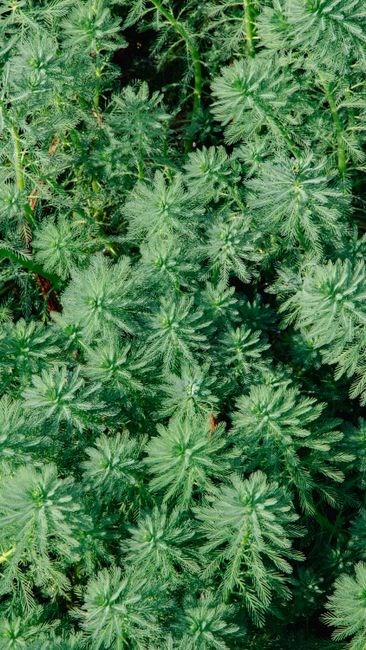
Photo‑based identification of Poaceae weeds is essential for accurate control․ The PDF guide presents clear images of common culprits such as crabgrass (Digitaria spp․), foxtail (Setaria spp․), and couch grass (Cynodon dactylon)․ Each species is illustrated with close‑up shots of leaf blades, ligules, and inflorescence spikes, allowing users to distinguish subtle differences in leaf width, hairiness, and spike length․ The guide also provides concise botanical keys that focus on leaf arrangement, sheath characteristics, and seed‑head morphology․ Distribution maps highlight the native range and invasive hotspots, while soil and moisture preferences are noted to help gardeners predict where each weed will thrive․ Management recommendations accompany every photo, offering mechanical removal tips, targeted herbicide options, and cultural practices such as mowing height and planting density that suppress Poaceae growth․ By grouping these grasses under Poaceae, the PDF emphasizes shared traits like hollow stems, jointed nodes, and wind‑dispersed seeds, enabling users to apply family‑wide control strategies efficiently․ The resource also includes a quick‑reference table that lists key diagnostic features for each species, such as the presence of a prominent ligule in crabgrass, the narrow, awned seeds of foxtail, and the dense, tufted growth habit of couch grass․ approach saves time, reduces chemical use, and improves overall lawn health!!!
Asteraceae Weeds
In the PDF catalogue, each Asteraceae species is paired with high‑resolution photographs that capture leaf shape, flower head arrangement, and seed pappus․ The guide lists dandelion (Taraxacum officinale), spotted knapweed (Centaurea stoebe), and hawkweed (Hieracium spp․) with side‑by‑side images of basal rosettes, stem leaves, and capitula․ A concise botanical key highlights diagnostic traits: dandelion’s single, yellow, ligulate flower head and toothed leaf margins; spotted knapweed’s greenish‑white florets, hairy stems, and narrow, lanceolate leaves; hawkweed’s dense, white‑tipped inflorescence and deeply lobed leaves․ Distribution maps pinpoint each species’ native range and invasive hotspots, while soil and moisture preferences guide site‑specific management․ The PDF also offers a quick‑reference table that lists key identification features, seed‑head structure, and recommended control methods—mechanical removal, selective herbicides, and cultural practices such as mowing height and planting density․ By focusing on shared family traits—such as composite flower heads, pappus‑bearing seeds, and wind‑dispersed pollen—gardeners can apply family‑wide suppression tactics, reducing reliance on broad‑spectrum herbicides and promoting ecological balance․ The visual format ensures even novice users can confidently identify and manage Asteraceae weeds, improving garden health and reducing environmental impact․ Use this PDF to spot and control weeds!
Life Cycle and Growth Stages
The PDF guide shows each weed’s yearly rhythm: seed germination, vegetative growth, flowering, seed set, and dormancy․ Photos illustrate leaf emergence, flower spikes, seed heads, and roots, helping users time control measures․ Schedule herbicide․
Annual Weeds
The PDF catalog highlights annual species, offering side‑by‑side images of seed pods, leaf shapes, and flowering spikes․ By presenting each stage—from germination to seed dispersal—gardeners can pinpoint the exact growth phase․ Annuals such as Pissenlit and Chiendent appear in the guide with clear photos of their bright yellow daisy‑like heads and deeply lobed leaves, respectively․ The visual keys enable quick comparison with field specimens, reducing misidentification․ Additionally, the guide includes notes on optimal control timing: early‑spring herbicide application before leaf expansion, or mechanical removal after flowering but before seed set․ The inclusion of root silhouettes in the PDF helps distinguish shallow‑rooted annuals from deeper‑rooted perennials․ Users can also cross‑reference the family groupings—Rosaceae, Poaceae, Asteraceae—to narrow down candidates based on leaf arrangement or inflorescence type․ This systematic approach ensures efficient management of annual weeds in both ornamental and agricultural settings․
The PDF’s visual keys are paired with concise botanical notes—leaf venation, stem texture, seed shape—enabling quick confirmation without specialized tools․ It also flags regional prevalence, noting which species thrive in temperate zones versus disturbed soils․ By combining photos with taxonomic cues, gardeners can decide on mechanical removal, targeted herbicide, or companion planting to control weeds․!!
Perennial Weeds
The PDF guide showcases perennial species with high‑resolution images of mature foliage, flowering spikes, and extensive root systems․ By displaying the full plant profile, users can match field specimens to the reference photos, ensuring accurate identification․ Perennials such as Ortie and Liseron are highlighted with clear images of their serrated leaves and dense seed heads, respectively․ The guide also includes close‑up shots of root crowns and rhizomes, helping distinguish deep‑rooted perennials from shallow annuals․ Each entry lists key diagnostic traits—leaf shape, stem texture, seed morphology—and notes optimal control periods, such as late summer or early fall when the plant is most vulnerable․ The visual keys are paired with concise botanical descriptions, allowing gardeners to confirm species without specialized training․ Additionally, the PDF provides regional distribution maps, indicating which perennials are common in temperate zones versus disturbed habitats․ By combining photographic evidence with taxonomic details, the guide supports effective management strategies, whether through targeted herbicide application, mechanical removal, or companion planting․ This comprehensive approach empowers users to maintain healthy gardens and reduce weed pressure over time․!!

Seasonal behavior is also illustrated; the PDF shows dormant crowns in winter and vigorous leaf flush in spring, enabling gardeners to time interventions․ It emphasizes the importance of removing entire root systems to prevent regrowth, especially for species like Oxalis that can resprout from underground stems․ The guide recommends mulching and soil disturbance techniques to suppress perennial seedlings․ By integrating visual cues with practical advice, the PDF becomes a valuable resource for both amateur and professional landscapers seeking to control persistent weed populations․!!
The PDF also compares similar species side by side, such as Hedera versus Artemisia, to clarify subtle differences in leaf serration and flower arrangement․ Users can download the PDF for offline reference, ensuring they have a reliable tool during field scouting sessions․!!
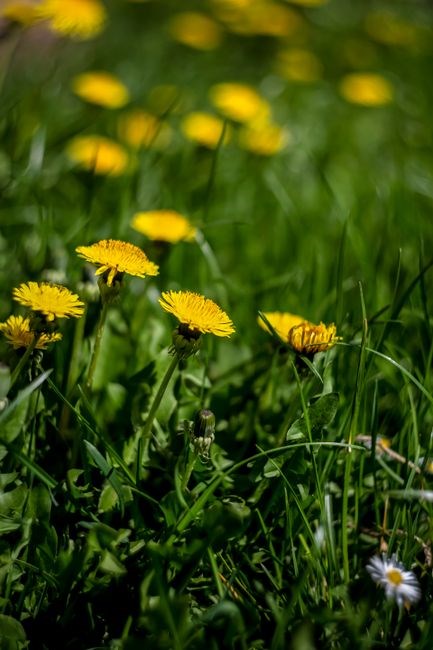
Common Weed Species with Photographs
The PDF lists iconic weeds—Pissenlit, Chiendent, Ortie, Liseron, Oxalis—with photos of leaves, flowers, roots, enabling quick ID and control!!
Pissenlit (Taraxacum officinale)
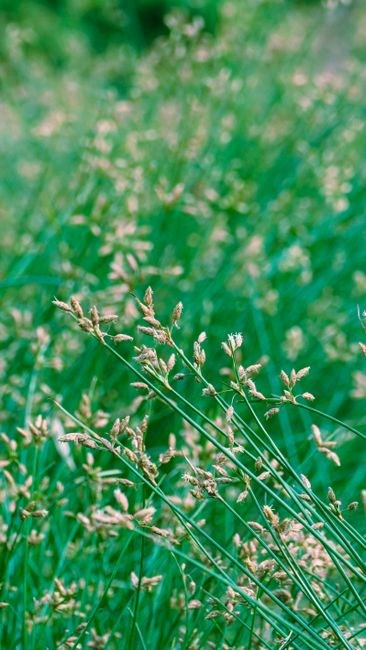
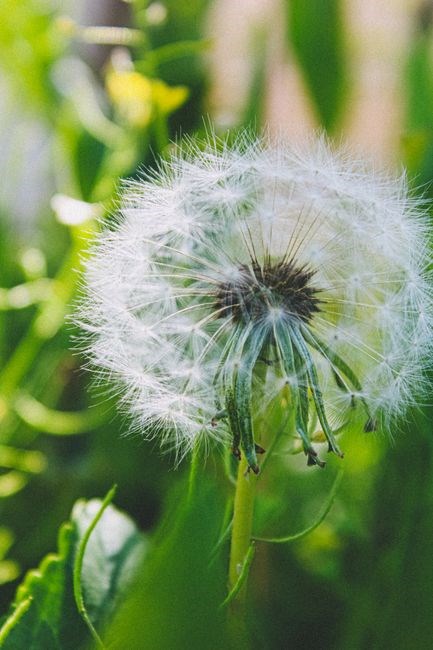
In the PDF guide, dandelion appears as a bright yellow, globe‑shaped flower head, often found in lawns, gardens, and disturbed soils․ The leaf base is deeply lobed, with a serrated margin and a distinctive “tooth‑like” shape that fans out into a single, long, narrow leaf․ The stem is sturdy, green, and slightly hairy, supporting a single, terminal capitulum that can reach up to 5 cm in diameter․ The flower head is composed of numerous florets, each with a small, white, five‑petal corolla that turns a golden‑brown as it dries․ The seed head, or “puff,” is a cluster of feathery, white, wind‑dispersed achenes that are easily detached and carried by the breeze․ The taproot is thick, fibrous, and can extend several centimetres deep, making it a resilient species that can re‑emerge after cutting or herbicide application․ The plant is a perennial, but it behaves as an annual in many temperate regions, completing its life cycle in a single growing season․ Its rapid germination, high seed production, and deep root system allow it to colonise disturbed sites quickly, often outcompeting desirable plants․ The PDF includes high‑resolution images of the leaf, flower, and seed head, as well as a close‑up of the root, enabling gardeners to recognise the plant even when it is in a vegetative or flowering stage․ The guide also notes that dandelion is edible, with leaves suitable for salads and roots for tea, but it is commonly targeted for removal in ornamental beds and crop fields․ The inclusion of colour photographs, coupled with concise botanical notes, makes this section of the PDF a practical reference for anyone needing to identify or manage dandelion in a variety of settings․
Chiendent (Centaurea stoebe)
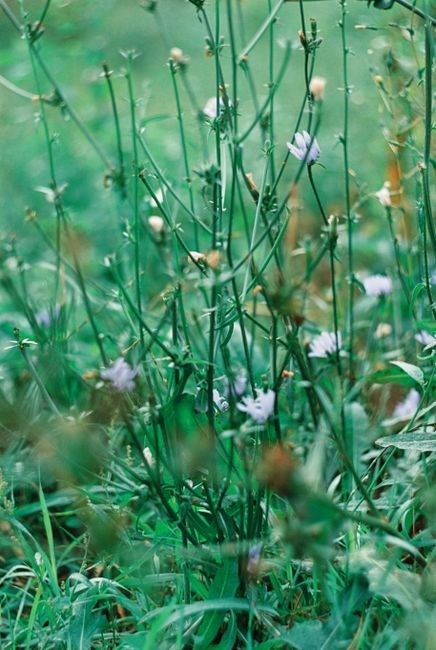
In the PDF guide, spotted knapweed is depicted with its distinctive, bright pink to purple flower heads that sit atop slender, wiry stems․ The leaves are deeply lobed, with a serrated margin and a rough, hairy texture that gives the plant a somewhat coarse appearance; The inflorescence is a dense, globular capitulum composed of numerous tiny florets, each with a five‑petal corolla that turns a rich, magenta hue when mature․ The plant’s taproot is long and fibrous, enabling it to spread and through underground rhizomes․ It is a perennial that can produce a large seed crop each year, with wind‑dispersed achenes that are easily carried away, allowing rapid colonisation of disturbed soils, roadsides, and agricultural fields․ The PDF includes high‑resolution images of the leaf, flower, and seed head, as well as a close‑up of the root system, allowing users to distinguish it from similar species such as other knapweeds or thistles․ The guide notes that, while the plant is ornamental in some contexts, it is considered a noxious weed in many regions due to its invasiveness and its ability to outcompete native flora․ Management advice in the PDF includes mechanical removal, targeted herbicide application, and the importance of early detection during the seed‑lingering stage․ The inclusion of colour photographs, botanical keys, and a concise description makes this section a valuable resource for gardeners and land managers seeking to identify and control spotted knapweed․
Ortie (Urtica dioica)
In the PDF catalogue, stinging nettle is illustrated with vivid, glossy green leaves that possess a fine, hair‑laden surface, each leaf divided into three to five lobes with serrated edges․ The stem is slender, slightly reddish, and bears a dense cluster of tiny, white to pale yellow flowers arranged in a compact inflorescence․ The guide provides a close‑up image of the stinging hairs—microscopic, barbed structures that deliver a painful sting upon contact—highlighting their microscopic scale and the mechanism of irritation․ The root system is fibrous, extending deep into the soil, and the plant produces a prolific seed head that releases numerous tiny, brown achenes․ The PDF emphasises that Urtica dioica thrives in moist, nitrogen‑rich soils, often colonising disturbed areas, hedgerows, and riverbanks․ It notes the plant’s rapid growth cycle, with new shoots emerging in early spring and reaching maturity by midsummer․ Management tips in the guide include mechanical removal, careful handling to avoid stings, and the use of targeted herbicides during the vegetative stage․ The inclusion of high‑resolution photographs, botanical descriptions, and a concise key allows users to distinguish nettle from similar species such as stinging nettle hybrids or other Urtica varieties․ This section serves as a practical reference for gardeners, landscapers, and land managers seeking to identify and control stinging nettle effectively․ Stinging hairs․
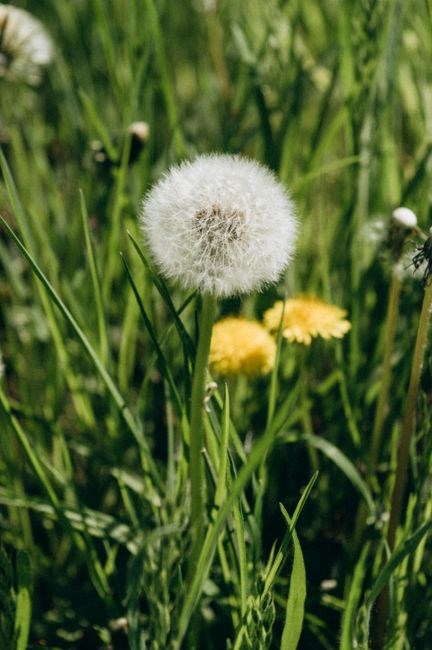
Practical Management Tips
Using the photo‑based PDF, gardeners can swiftly identify weeds and apply targeted control․ First, inspect the plant’s morphology: leaf shape, flower arrangement, and root type, then cross‑reference the high‑resolution images․ For annuals, remove seedlings before they set seed; for perennials, focus on root removal or selective herbicide application․ Mechanical methods—hand‑pulling, hoeing, or mowing—work best when the soil is moist and the weed is in its early growth stage․ When using herbicides, choose products labeled for the specific family; apply during the vegetative phase for maximum efficacy․ Integrated weed management combines cultural practices—such as mulching, crop rotation, and dense cover crops—to suppress weed emergence․ Regular monitoring with the PDF’s visual key helps detect seedlings early, reducing the need for chemical control․ For problematic species like stinging nettle, wear gloves and protective clothing to avoid irritation․ In organic systems, consider bioherbicides or mechanical barriers․ Always follow label instructions and local regulations․ By pairing the PDF’s detailed photos with these practical steps, users can reduce labor, lower chemical use, and maintain healthy, weed‑free landscapes․ Consistency and early action are key to successful weed suppression․